

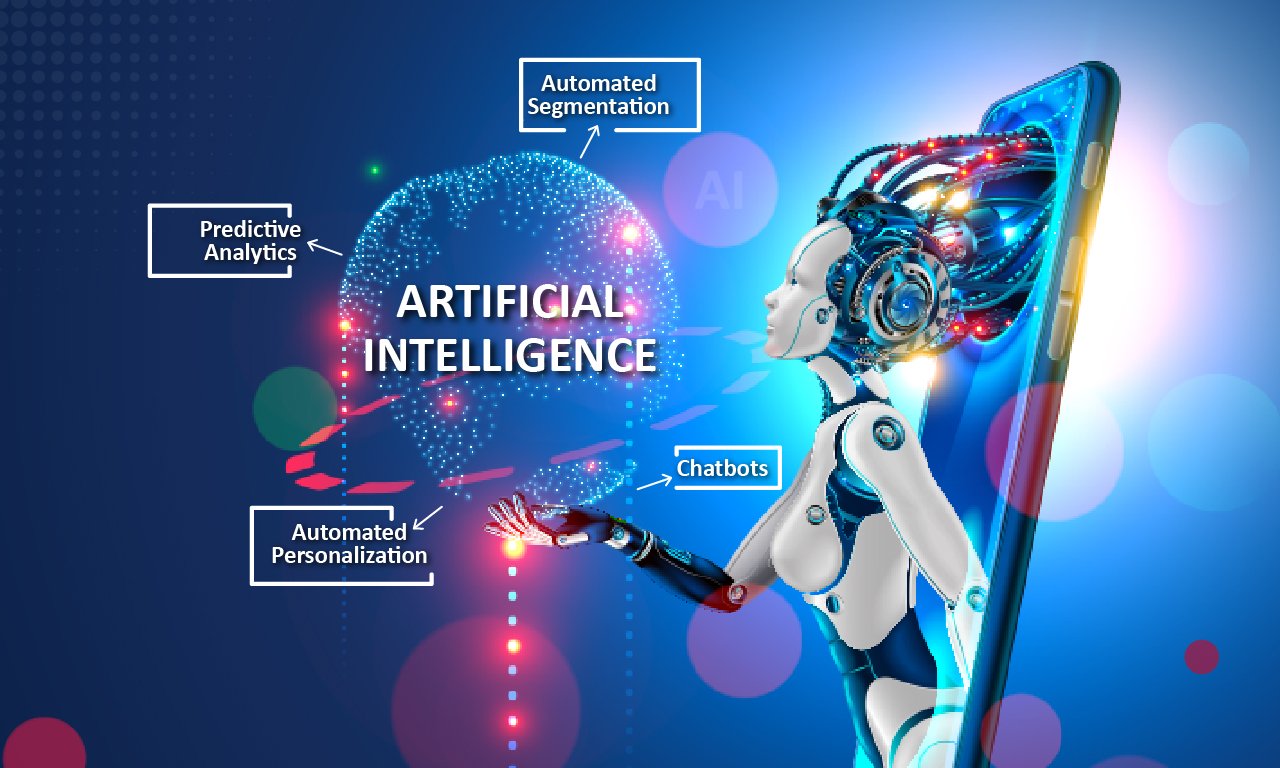
Artificial Intelligence is no longer an emerging concept—it is now a core driver of how modern businesses market, brand, and engage with customers. In 2026, AI has moved beyond experimentation into full-scale implementation, reshaping digital strategies across industries. From predictive analytics and personalized content to intelligent branding systems and automated customer experiences, AI is redefining what effective marketing looks like in the digital age.
For businesses competing in global and highly saturated markets, AI offers a critical advantage: the ability to understand audiences deeply, act faster, and deliver highly relevant experiences at scale. However, unlocking this potential requires more than adopting tools—it demands a strategic approach that aligns AI with brand identity, customer expectations, and long-term business goals.
This article explores how AI is transforming digital marketing, branding, and customer experience, and what businesses must do to stay competitive in 2026 and beyond.
The Rise of AI in Modern Digital Strategy
Digital marketing has always relied on data, but AI has fundamentally changed how that data is processed and applied. Instead of manual analysis and reactive decision-making, AI enables predictive insights, automation, and real-time optimization.
In 2026, AI is embedded across the entire digital ecosystem:
-
Marketing automation platforms
-
Customer relationship management (CRM) systems
-
Content creation and optimization tools
-
Branding and design workflows
-
Customer support and engagement channels
This integration allows businesses to operate more intelligently, efficiently, and consistently across all touchpoints.
AI in Digital Marketing: From Automation to Intelligence
AI has transformed digital marketing from rule-based automation into intelligent, adaptive systems.
Data-Driven Decision Making
AI analyzes massive datasets to uncover patterns in customer behavior, preferences, and intent. Marketers can now predict what users are likely to do next, rather than reacting after the fact.
This enables:
-
Smarter campaign targeting
-
Improved ad spend efficiency
-
Better timing of marketing messages
-
Continuous optimization of performance
AI-driven insights reduce guesswork and replace intuition with evidence-based strategy.
Personalized Marketing at Scale
Personalization has become a customer expectation, not a luxury. AI makes it possible to deliver personalized experiences to thousands—or millions—of users simultaneously.
AI-powered personalization includes:
-
Dynamic website content based on user behavior
-
Personalized email campaigns and subject lines
-
Product recommendations tailored to individual preferences
-
Customized ad creatives and messaging
In 2026, businesses that fail to personalize risk being ignored. AI ensures personalization is scalable, accurate, and continuously refined.
AI and Performance Marketing
AI plays a critical role in paid advertising across platforms such as Google Ads, Meta, LinkedIn, and programmatic networks.
AI-driven advertising enables:
-
Automated bidding strategies
-
Real-time audience segmentation
-
Creative testing and optimization
-
Predictive performance forecasting
Instead of manually managing campaigns, marketers focus on strategy while AI handles optimization. This results in higher conversion rates, lower acquisition costs, and improved ROI.

How AI Is Redefining Branding in the Digital Age
Branding has traditionally been associated with creativity and human intuition. In 2026, AI enhances—not replaces—these elements by introducing intelligence, consistency, and speed.
Brand Consistency Across Channels
AI-powered brand management tools ensure that logos, colors, typography, tone, and messaging remain consistent across websites, social media, ads, and content platforms.
Consistency strengthens brand recognition and trust, especially for businesses operating across multiple digital channels and markets.
AI-Assisted Content Creation and Brand Voice
AI tools now assist with:
-
Content ideation and outlines
-
Copy optimization for tone and clarity
-
SEO-driven content structuring
-
Multilingual content adaptation
When guided by clear brand guidelines, AI helps maintain a consistent brand voice while increasing content output. This allows businesses to scale content marketing without sacrificing quality or identity.
The key is human oversight—AI supports creativity, but strategic direction remains human-led.
Visual Branding and Design with AI
AI has transformed visual branding through tools that assist with:
-
Design layouts and templates
-
Image enhancement and resizing
-
Brand-aligned creative generation
-
Rapid prototyping and iteration
For digital agencies and in-house teams, AI accelerates design workflows while ensuring alignment with brand identity.
AI and Customer Experience: A New Standard of Engagement
Customer experience is where AI’s impact is most visible. In 2026, customers expect instant, personalized, and seamless interactions across all touchpoints.
AI-Powered Customer Support
Chatbots and virtual assistants now handle a significant portion of customer interactions, providing:
-
24/7 availability
-
Instant responses to common inquiries
-
Seamless handoff to human agents when needed
Modern AI support systems learn from interactions, improving accuracy and relevance over time.
Predictive Customer Journeys
AI enables businesses to anticipate customer needs before they are explicitly expressed. By analyzing behavior patterns, AI predicts:
-
When customers are likely to make a purchase
-
When they may disengage or churn
-
What content or offers will resonate most
This predictive capability allows brands to deliver proactive, meaningful experiences that strengthen loyalty and retention.
Omnichannel Experience Powered by AI
Customers interact with brands across multiple platforms—websites, social media, email, messaging apps, and physical touchpoints. AI connects these interactions into a unified experience.
Benefits include:
-
Consistent messaging across channels
-
Centralized customer data
-
Seamless transitions between touchpoints
-
More accurate customer insights
An AI-driven omnichannel strategy ensures customers feel recognized and valued wherever they engage.
Ethical and Responsible Use of AI in Marketing
As AI adoption grows, ethical considerations become increasingly important. Responsible AI use includes:
-
Data privacy and compliance
-
Transparency in AI-driven interactions
-
Avoiding biased algorithms
-
Maintaining authenticity in branding
In 2026, trust is a competitive advantage. Brands that use AI responsibly strengthen customer confidence and long-term relationships.
Challenges Businesses Face When Adopting AI
Despite its benefits, AI adoption presents challenges:
-
Lack of clear strategy
-
Overreliance on automation
-
Data quality issues
-
Skills gaps within teams
Successful AI implementation requires alignment between technology, people, and processes. AI should support business goals—not dictate them.

How Businesses Can Implement AI Strategically
To leverage AI effectively, businesses should:
-
Start with clear objectives
-
Invest in clean, reliable data
-
Choose tools aligned with business size and goals
-
Train teams to work alongside AI
-
Continuously monitor and refine AI-driven systems
Digital agencies play a key role in helping businesses navigate AI adoption strategically and sustainably.
The Competitive Advantage of AI-Driven Brands
Brands that successfully integrate AI into marketing, branding, and customer experience gain:
-
Faster decision-making
-
Stronger customer relationships
-
Greater scalability
-
Improved operational efficiency
-
Higher long-term profitability
In competitive markets, AI-driven brands move faster and adapt more effectively to change.
The Future of AI in Digital Marketing and Branding
Looking ahead, AI will continue to evolve through:
-
Deeper integration with creative workflows
-
More advanced predictive analytics
-
Hyper-personalized customer journeys
-
Smarter automation with human oversight
Businesses that embrace AI early and strategically will define the next generation of digital excellence.
Final Thoughts: AI as a Strategic Partner, Not a Replacement
In 2026, AI is not replacing marketers, designers, or brand strategists—it is empowering them. When used thoughtfully, AI enhances creativity, sharpens strategy, and elevates customer experience.
The most successful brands view AI as a strategic partner—one that amplifies human insight rather than replacing it. By aligning AI with brand values, customer needs, and long-term goals, businesses can unlock sustainable growth in the digital age.