


Artificial Intelligence is no longer reserved for large corporations with in-house developers and data scientists. In 2026, AI has become more accessible, affordable, and user-friendly than ever before. Thanks to no-code and low-code platforms, businesses of all sizes can now harness the power of AI without building a technical team or writing complex code.
For small and medium-sized enterprises, startups, and growing brands, this shift is transformative. AI can automate repetitive tasks, improve decision-making, enhance marketing performance, and elevate customer experience—all without requiring deep technical expertise.
This guide explores practical AI tools businesses can use today, how to implement them effectively without a tech team, and how to avoid common mistakes while adopting artificial intelligence.
The Democratization of AI in 2026
One of the biggest AI trends in 2026 is democratization. AI is no longer hidden behind complex systems and technical barriers. Instead, it is embedded into everyday business tools and platforms.
Modern AI solutions are designed to be:
-
User-friendly and intuitive
-
Accessible through dashboards and visual interfaces
-
Integrated with existing business tools
-
Scalable as businesses grow
This shift allows business owners, marketers, managers, and operations teams to use AI directly, without depending on developers for every task.
Why Businesses Without Tech Teams Should Embrace AI
Many businesses hesitate to adopt AI because they believe it requires advanced technical knowledge. In reality, avoiding AI now poses a greater risk than adopting it.
AI helps non-technical businesses:
-
Save time and reduce manual work
-
Improve accuracy and consistency
-
Make data-driven decisions
-
Compete with larger organizations
-
Scale operations efficiently
In 2026, AI is less about technical complexity and more about strategic application.
No-Code and Low-Code AI: What It Means for Businesses
No-code and low-code platforms allow users to build workflows, automate processes, and apply AI logic using visual tools rather than programming languages.
For businesses without tech teams, this means:
-
Faster implementation
-
Lower costs
-
Reduced dependency on external developers
-
Greater control over processes
These platforms empower teams to experiment, optimize, and innovate independently.
Practical AI Tools Every Business Can Use
AI tools now exist for nearly every business function. Below are practical categories and use cases that require little to no technical expertise.

AI Tools for Marketing and Content Creation
Marketing is one of the easiest areas to adopt AI without a tech team.
AI-powered marketing tools help businesses:
-
Generate content ideas and outlines
-
Optimize copy for clarity, tone, and SEO
-
Personalize email marketing campaigns
-
Analyze campaign performance
These tools assist with productivity and insight while allowing human creativity to guide strategy and brand voice.
For content-driven businesses, AI accelerates output while maintaining quality when used responsibly.
AI Tools for Social Media Management
Managing multiple social media platforms can be time-consuming. AI tools simplify this by:
-
Scheduling posts automatically
-
Suggesting optimal posting times
-
Analyzing engagement and performance
-
Recommending content formats
These platforms help businesses maintain consistent online presence without dedicating large teams to social media management.
AI Tools for Customer Support and Engagement
Customer experience is one of the most impactful areas for AI adoption.
AI-powered customer support tools offer:
-
24/7 automated responses
-
Instant handling of common inquiries
-
Seamless escalation to human agents
-
Multilingual communication
These systems improve response times, reduce workload, and increase customer satisfaction—all without technical setup.
AI Tools for Sales and CRM Optimization
AI-enhanced CRM platforms help businesses manage leads and customer relationships more effectively.
Capabilities include:
-
Predicting lead conversion likelihood
-
Automating follow-ups and reminders
-
Segmenting customers based on behavior
-
Providing actionable sales insights
Sales teams gain clarity on where to focus their efforts, improving efficiency and conversion rates.
AI Tools for Operations and Productivity
Operational efficiency is another major benefit of AI adoption.
AI tools can:
-
Automate routine administrative tasks
-
Organize documents and data
-
Forecast demand and resource needs
-
Improve workflow coordination
For small teams, this reduces workload pressure and frees time for strategic activities.
AI Tools for Data Analysis and Decision-Making
Businesses generate more data than ever, but many struggle to interpret it.
AI-powered analytics tools:
-
Translate raw data into insights
-
Visualize trends and patterns
-
Provide predictive forecasts
-
Support smarter decision-making
These tools make data accessible to non-technical users through dashboards and natural-language explanations.
How to Implement AI Without a Tech Team
Successful AI adoption does not start with tools—it starts with strategy.
Step 1: Identify Clear Business Problems
Start by defining what you want AI to improve. This could be reducing response times, increasing conversions, or automating repetitive tasks.
Step 2: Choose Tools That Integrate Easily
Select AI platforms that integrate with your existing systems such as email, CRM, website, or accounting tools.
Step 3: Start Small and Scale Gradually
Begin with one or two AI applications. Test, measure results, and refine before expanding.
Step 4: Train Your Team
AI tools are only effective when users understand how to use them. Provide basic training and encourage experimentation.
Step 5: Maintain Human Oversight
AI should support decision-making, not replace human judgment. Regularly review outputs and refine settings.
Common Mistakes to Avoid When Using AI
Businesses without tech teams should be mindful of these common pitfalls:
-
Adopting too many tools at once
-
Expecting AI to work without clean data
-
Ignoring brand voice and identity
-
Over-automating customer interactions
-
Failing to monitor performance
AI works best when aligned with business goals and guided by human insight.
Ethical and Responsible Use of AI
Responsible AI use is critical, especially for customer-facing applications.
Best practices include:
-
Protecting customer data and privacy
-
Being transparent about AI-driven interactions
-
Avoiding biased or misleading outputs
-
Ensuring compliance with regulations
Ethical AI builds trust, credibility, and long-term brand value.
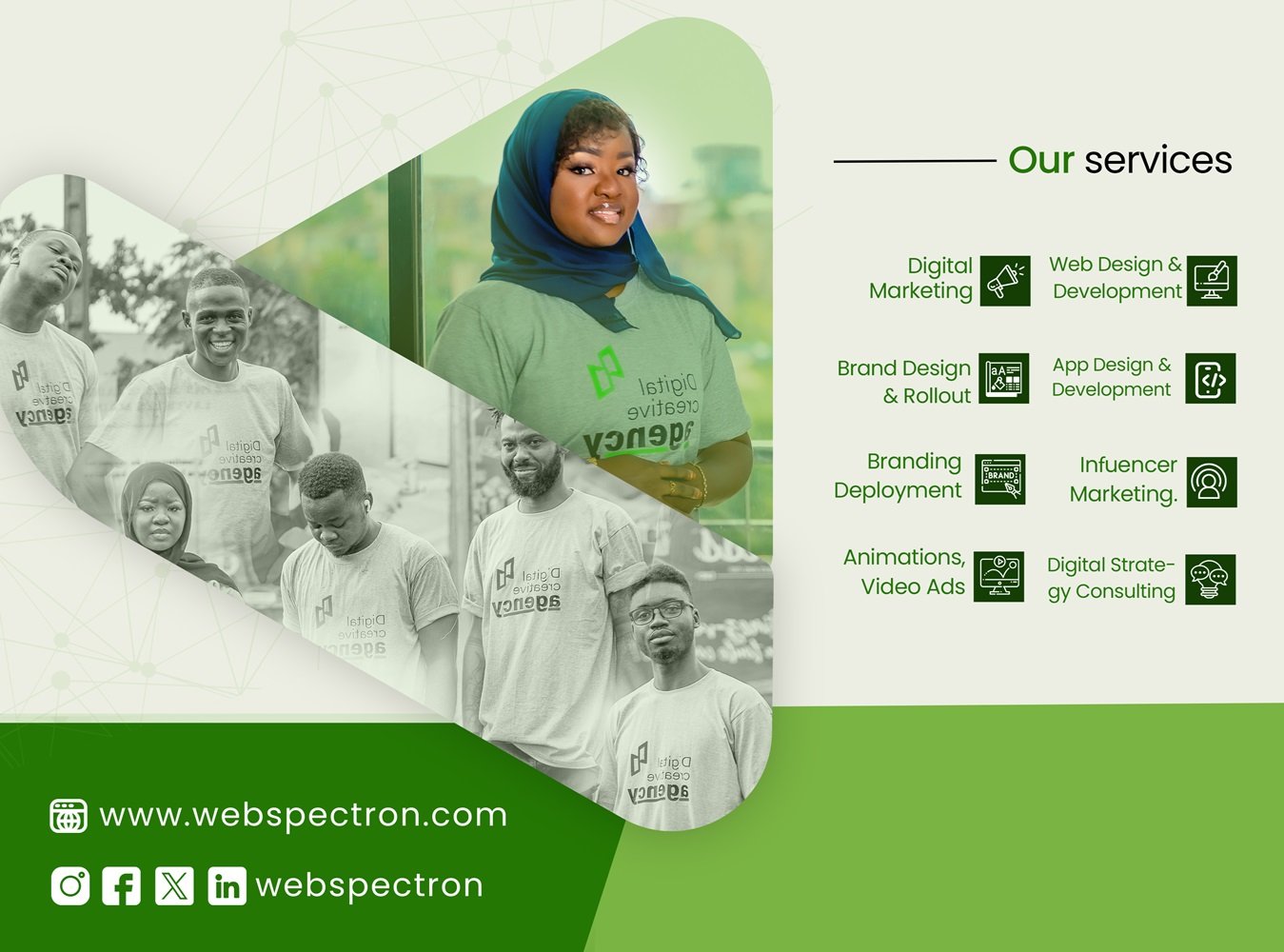
The Role of Digital Agencies in AI Adoption
Many businesses partner with digital agencies to guide AI adoption. Agencies help:
-
Identify the right tools
-
Align AI with branding and marketing strategy
-
Set up workflows and automation
-
Train internal teams
This hybrid approach allows businesses to benefit from expertise without building internal tech teams.
Measuring the Impact of AI on Your Business
To evaluate success, businesses should track:
-
Time saved through automation
-
Improvements in customer satisfaction
-
Increases in conversion rates
-
Cost reductions
-
Team productivity
These metrics help justify investment and guide optimization.
The Future of No-Tech AI Adoption
As AI continues to evolve, tools will become even more intuitive and accessible. Future developments include:
-
Conversational AI interfaces
-
Deeper automation across business systems
-
More personalized AI recommendations
-
Stronger focus on ethical governance
In 2026 and beyond, AI adoption without a tech team will become the norm rather than the exception.
Final Thoughts: AI Is Now a Business Skill, Not a Technical One
Artificial Intelligence is no longer a technical barrier—it is a business opportunity. In 2026, companies that understand how to apply AI strategically, even without a tech team, gain a significant competitive advantage.
By choosing the right tools, starting with clear objectives, and maintaining human oversight, businesses can use AI to work smarter, scale faster, and deliver better customer experiences.
AI is not about replacing people. It is about empowering them.