


In 2026, a website is no longer just an online brochure. It is the digital headquarters of a business, the first point of trust for potential customers, and often the deciding factor between gaining or losing a client. As customer expectations rise and digital competition intensifies, businesses can no longer afford outdated, slow, or poorly designed websites.
Today’s users expect speed, clarity, security, and seamless experiences across all devices. They judge credibility within seconds of landing on a website. For businesses in Africa and across the globe, adopting modern website design best practices is essential for visibility, trust, and growth in a digital-first economy.
This guide explains the most important website design best practices every business needs in 2026, focusing on usability, performance, branding, SEO, and conversion—using principles that work for small businesses, startups, and growing brands alike.
Why Website Design Matters More Than Ever in 2026
In 2026, your website often speaks before you do. Before customers call, email, or visit your office, they research your brand online. If your website looks outdated, loads slowly, or feels confusing, trust is lost instantly.
Modern website design directly impacts business performance. A well-designed website improves search engine rankings, increases engagement, reduces bounce rates, and converts visitors into leads or customers. On the other hand, poor design damages brand credibility and wastes marketing spend.
For African businesses aiming to compete locally and internationally, professional website design levels the playing field and positions the brand as reliable and globally relevant.
User-Centered Design Is No Longer Optional
The most important website design principle in 2026 is user-centered design. Websites must be built around the needs, behavior, and expectations of real users—not just business preferences.
User-centered design focuses on clarity, simplicity, and ease of navigation. Visitors should immediately understand what the business offers, who it serves, and what action to take next. Complex layouts, cluttered pages, and unclear messaging frustrate users and drive them away.
In 2026, successful websites are intuitive. They guide users naturally from landing page to conversion without confusion or friction.
Mobile-First Design Is a Standard Requirement
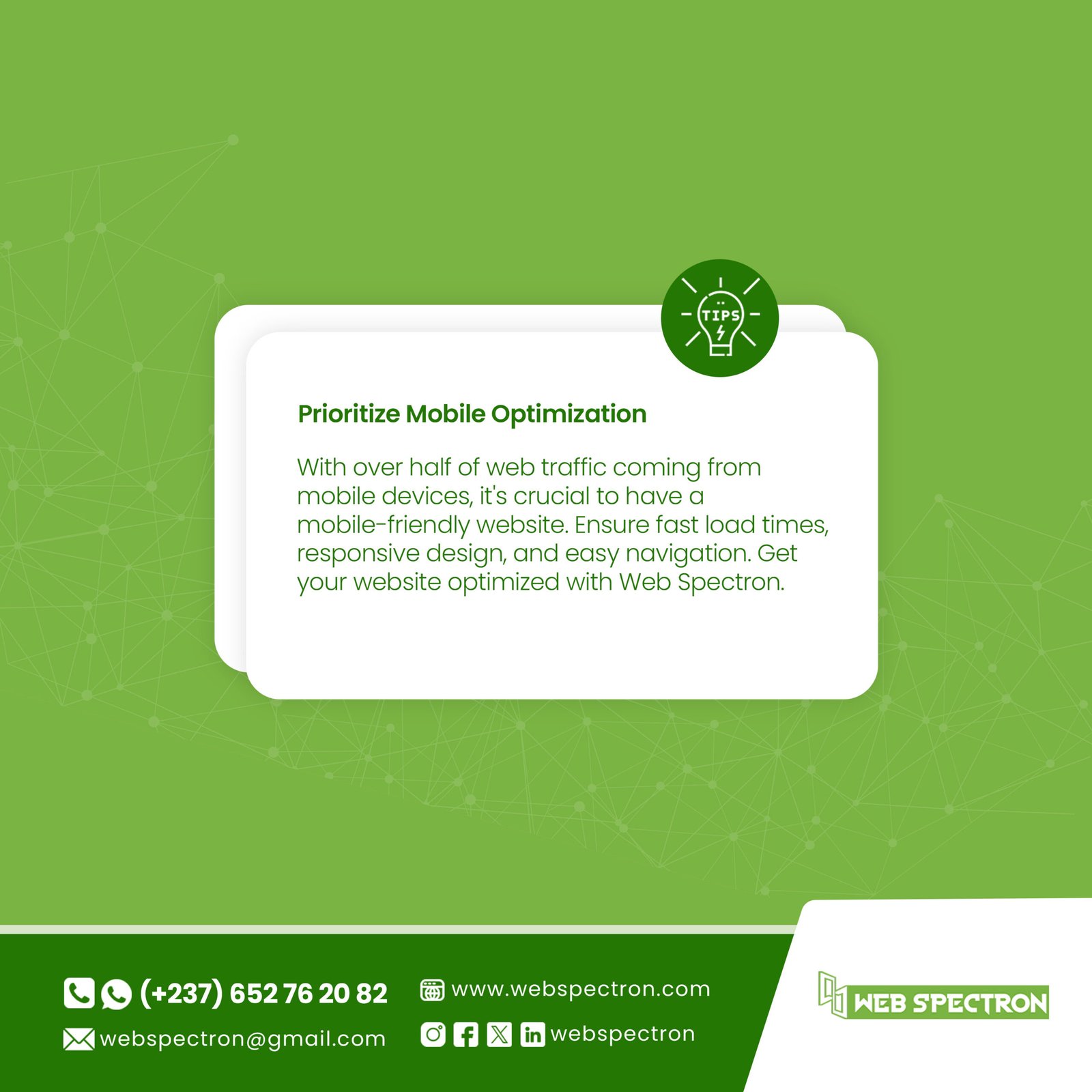
Mobile usage continues to dominate internet access, especially across Africa where smartphones are the primary gateway to the web. In 2026, designing for mobile first is no longer a trend—it is a requirement.
Mobile-first design ensures that websites load quickly, display correctly, and function smoothly on smaller screens. Navigation menus, buttons, forms, and content must be optimized for touch interaction.
Google prioritizes mobile-friendly websites in search rankings. Businesses that ignore mobile optimization lose both visibility and customers.
Website Speed and Performance Define User Experience
Speed is one of the most critical website design factors in 2026. Users expect websites to load within seconds. Anything slower increases bounce rates and reduces conversions.
Website performance affects SEO, user satisfaction, and brand perception. A slow website signals poor quality and unprofessionalism.
Best practices include optimized images, clean code, efficient hosting, and minimal unnecessary scripts. Performance optimization is not just a technical task—it is a design responsibility that directly impacts business results.
Clear Branding and Visual Consistency Build Trust
A website should clearly reflect the brand identity of the business. This includes consistent use of colors, typography, imagery, and tone of voice.
In 2026, strong branding helps businesses stand out in competitive markets. A visually consistent website reinforces brand recognition and builds trust with visitors.
Design elements should align with the brand’s personality, whether modern, premium, friendly, or authoritative. Inconsistent visuals or generic templates weaken brand credibility.
For businesses working with professional web design agencies, brand alignment ensures the website supports long-term marketing and growth goals.
Content Structure and Readability Matter More Than Ever
Modern users scan before they read. Website content must be structured for clarity and readability.
Effective websites use clear headings, short paragraphs, descriptive subheadings, and adequate white space. Content should be easy to digest on both desktop and mobile devices.
In 2026, content clarity improves user experience and SEO. Search engines favor websites that present information clearly and logically, making content structure a key design consideration.
SEO-Friendly Website Design Is Essential
Website design and SEO are deeply connected. A visually appealing website that is not SEO-friendly will struggle to rank on Google.
SEO-friendly website design includes clean URL structures, fast load times, mobile optimization, proper heading hierarchy, image optimization, and internal linking. Design decisions should always support search visibility rather than hinder it.
For businesses targeting organic growth, SEO-optimized web design is one of the highest-return investments they can make.
Conversion-Focused Design Drives Business Growth
A website should not only look good—it should convert visitors into leads, customers, or clients.
In 2026, conversion-focused design uses clear calls-to-action, strategic layout, trust signals, and persuasive messaging. Buttons, forms, and contact options should be easy to find and simple to use.
Trust elements such as testimonials, reviews, certifications, and case studies increase conversion rates by reducing doubt and hesitation.
A well-designed website guides users toward action without being aggressive or confusing.
Security and Trust Signals Are Non-Negotiable
Website security is critical in 2026. Users expect websites to be safe, especially when sharing personal information or making payments.
SSL certificates, secure forms, privacy policies, and transparent data practices build trust. Search engines also favor secure websites in rankings.
For African businesses expanding into e-commerce or international markets, visible security measures reassure customers and protect brand reputation.
Accessibility and Inclusivity in Website Design
Inclusive design ensures that websites are usable by people with different abilities and limitations. In 2026, accessibility is both a legal consideration in some markets and a moral responsibility.
Accessible websites use readable fonts, proper contrast, descriptive alt text, and logical navigation. Inclusive design expands reach and improves overall user experience.
Businesses that prioritize accessibility demonstrate professionalism and social responsibility.
Scalability and Future-Ready Design
Websites must be designed with growth in mind. In 2026, businesses evolve quickly—adding new services, content, features, or integrations.
A future-ready website uses flexible design systems, scalable architecture, and modern frameworks that allow easy updates without full redesigns. This saves cost and ensures long-term sustainability.
Why Professional Website Design Matters in 2026
While DIY website builders exist, professional website design delivers strategic advantage. Experienced web design agencies combine design, UX, SEO, branding, and conversion strategy into a cohesive system.
For businesses aiming for credibility, growth, and international visibility, professional website design is not an expense—it is an investment.
Final Thoughts: Your Website Is Your Strongest Digital Asset
In 2026, your website is often the most important representation of your business. It shapes first impressions, builds trust, supports marketing, and drives revenue.
By following modern website design best practices—user-centered design, mobile optimization, speed, branding, SEO, and conversion focus—businesses position themselves for long-term success.
A great website does more than exist online. It works for your business 24/7.